
Smoking (including secondhand smoke and smokeless tobacco, sometimes called “chewing tobacco” or “snuff”) is the largest risk factor for getting head and neck cancer.
And people who use both tobacco and alcohol are many times more likely to get head and neck cancer than people with neither habit. Research has also shown that continued smoking by a patient with head and neck cancer may reduce the effectiveness of treatment and increase the chance of a second primary cancer.
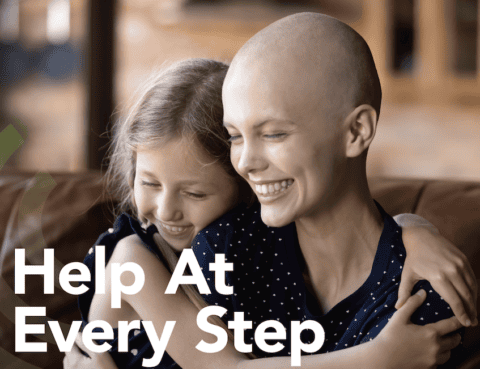
Wendy Hall and Amy Roberts have served our community as onsite Licensed Clinical Social Workers ever since joining RBOI in 2011. Wendy joined RBOI following 22 years at Hospice as a palliative care social worker. Becoming a certified oncology social worker was the natural next step. Her knowledge of support networks lets her match people in need to services. “People talk to others about their circumstances. They may say, ‘I’m not able to work now because I’m in cancer treatment.’ And somebody knows about us and will make contact.”
Hall also teaches smoking cessation classes, tackling a major, preventable cause of cancer. To learn more and to register, call her at 352-527-0106.
Like Wendy, Amy Roberts counsels cancer patients and their families and caregivers, helping them navigate insurance and health systems and advocating on their behalf. She also
teaches stress reduction techniques. Roberts offers free Friday Virtual Meditations, 10–10:30 AM, for anyone affected by cancer who lives in Citrus, Lake, Marion, and Sumter Counties.
She conducts Tuesday Meditations from 12 noon–1 PM, at One Health Center in Ocala, for anyone who is treated at RBOI or is 55 or older. To learn more and to register, call her at 352-732-
0277. You can also access meditation videos at any time on RBOI’s guided meditation page, RBOI.com, under the “Cancer Support” tab
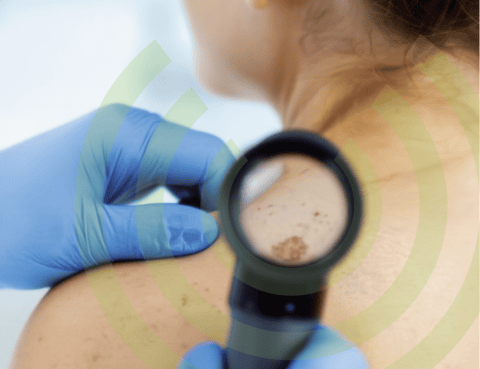
hrough early detection, screening can make cancers easier to treat and help reduce cancer deaths. Cancer screening is done when you have no symptoms. Symptoms mean that
cancer may have grown, spread, and be harder to treat.
Cancer screening includes:
• Physical exam and history. A physical exam can check for lumps or anything that seems unusual. A history of your health habits, past illnesses, and treatments can also gauge your risk.
• Laboratory tests. Procedures can include taking samples of tissue, blood, urine, or other bodily substances.
• Imaging procedures. Computed tomography (CT), magnetic resonance imaging (MRI), ultrasound, and other machines scan areas inside the body for anything
unusual.
• Genetic tests. Cells or tissue are analyzed to look for changes in genes or chromosomes, which may indicate a specific disease or risk.
View More
Osteoarthritis (the degeneration of cartilage) affects 1 in 7 Americans. Now, low-dose therapeutic radiation (LD-RT) provides a non-invasive and cost-effective treatment option that offers significant pain relief with minimal side effects. LD-RT has a long and impressive track record extending back more than 125 years. “In the clinical setting of Europe, it has been used uninterrupted for
the past 60 years,” says RBOI founder Dr. Norman Anderson. “In Europe, over 85% of treatment facilities have offered low-dose therapeutic radiation for non-cancer conditions,” including plantar fascitis, trochanteric (hip) bursitis, medial epicondylitis (golfer’s elbow), lateral epicondylitis (tennis elbow), and various tendinopathies. A single course of treatment for osteoarthritis is 60% to 90% effective and can be repeated to improve results.
For people living with cancer, the most priceless gifts can be those that aren’t bought. Paying attention to someone’s specific needs is just as important.
View More