
Palliative care may be provided at any point during cancer care, from diagnosis to the end of life. When a person receives palliative care, they may continue to receive cancer treatment
View More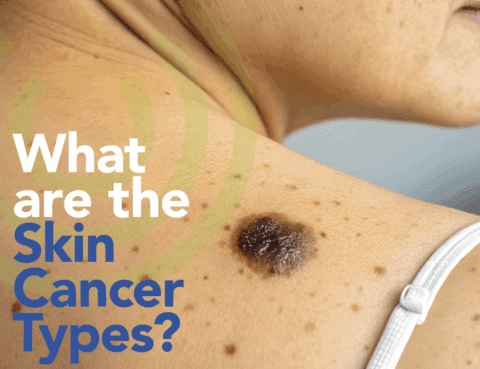
Smoking (including secondhand smoke and smokeless tobacco, sometimes called “chewing tobacco” or “snuff”) is the largest risk factor for getting head and neck cancer. And people who use both tobacco and alcohol are many times more likely to get head and neck cancer than people with neither habit.
Basal cell carcinoma accounts for about 80 percent of skin cancers. It usually develops on the head and neck but can occur anywhere on the skin. Its main cause is
sun exposure. It also develops in people who received radiation therapy as children. It rarely spreads to other parts of the body.

Smoking (including secondhand smoke and smokeless tobacco, sometimes called “chewing tobacco” or “snuff”) is the largest risk factor for getting head and neck cancer. And people who use both tobacco and alcohol are many times more likely to get head and neck cancer than people with neither habit.
Smoking (including secondhand smoke and smokeless tobacco, sometimes called “chewing tobacco” or “snuff”) is the largest
risk factor for getting head and neck cancer. And people who use both tobacco and alcohol are many times more likely to get head and neck cancer
than people with neither habit.