
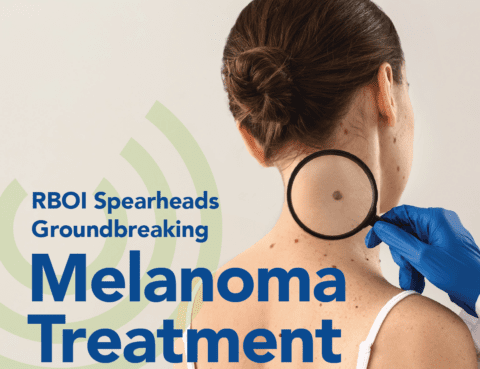
More than 59,000 people worldwide die each year from metastatic malignant melanoma. For almost half a century, this aggressive disease has been resistant to radiation.
View More
Smoking (including secondhand smoke and smokeless tobacco, sometimes called “chewing tobacco” or “snuff”) is the number one risk factor
for getting head and neck cancer. And people who use both tobacco and alcohol are many times more likely to get head and neck cancer than people with neither
habit. Research has also shown that continued smoking by a patient with head and neck cancer may reduce the
effectiveness of treatment and increase the chance of a second primary cancer.
Smoking (including secondhand smoke and smokeless tobacco, sometimes called “chewing tobacco” or “snuff”) is the number one risk factor for getting head and neck cancer. And people who use both tobacco and alcohol are many times more likely to get head and neck cancer than people with neither habit. Research has also shown that continued smoking by a patient with head and neck cancer may reduce the effectiveness of treatment and increase the chance of a second primary cancer.

We often associate post-traumatic stress disorder (PTSD) with wars, natural disasters, and other life-threatening events. But post-traumatic stress (PTS), a less severe form, can occur at any time during or after cancer treatment, from diagnosis onward, and it can also strike parents of childhood cancer survivors.
We often associate post-traumatic stress disorder (PTSD) with wars, natural disasters, and other life-threatening events. But posttraumatic
stress (PTS), a less severe form, can occur at any time during or after cancer treatment, from diagnosis onward, and it can also strike parents of
childhood cancer survivors.